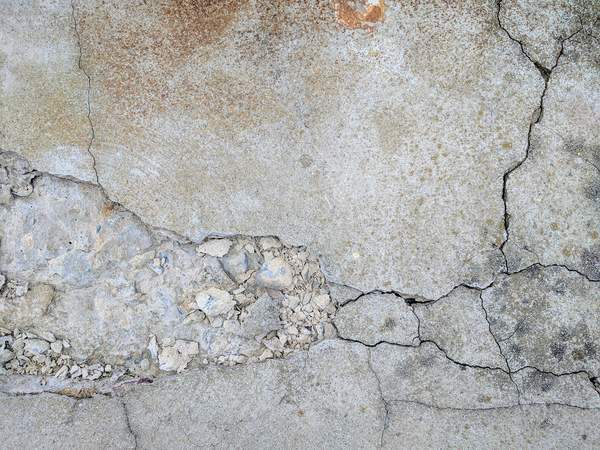
Cracks in the foundation of a home can be more than just an aesthetic issue; they often signal deeper structural problems that may have serious implications. For homeowners and potential buyers, understanding the significance of these cracks is crucial. This topic is important because foundation issues can affect not only the value of a property but also its safety and longevity. Recognizing warning signs early can lead to timely repairs and prevent costly damage.
Understanding Foundation Cracks
Foundation cracks are common in many homes, but not all cracks are created equal. They can range from minor, harmless hairline cracks to significant structural fissures that require immediate attention. Typically, cracks less than 1/8 inch wide are considered minor, while those wider than 1/4 inch could indicate serious structural issues. Common causes include soil settling, poor drainage, and temperature fluctuations. Professional inspectors often categorize cracks based on their orientation:
- Vertical Cracks: Often due to normal settling and are generally considered less serious.
- Horizontal Cracks: Typically more concerning, often caused by soil pressure and can indicate a structural problem.
- Diagonal Cracks: May suggest differential settling and require further evaluation.
Preventive Measures and Solutions
Homeowners should take proactive steps to prevent foundation issues. Ensuring proper drainage around the home is critical. Gutters and downspouts should direct water away from the foundation, and grading should slope away from the house. Regularly inspecting for cracks and monitoring their changes over time can help in early detection. For existing issues, professional intervention is recommended. Depending on the severity, solutions may include:
- Sealing minor cracks with epoxy or polyurethane injections.
- Installing French drains to improve drainage.
- Employing underpinning techniques to stabilize the foundation.
The Role of Professional Inspections
Professional home inspections are invaluable in identifying and addressing foundation problems. Inspectors use specialized tools and techniques to assess the severity of cracks and provide informed recommendations. They can also check for related issues such as water damage or compromised structural integrity. Engaging a qualified inspector ensures a thorough evaluation and peace of mind for homeowners and potential buyers alike.
In conclusion, understanding the implications of foundation cracks and taking timely action can safeguard a home’s value and safety. Engaging professional inspection services is a wise investment that helps address potential issues before they escalate.